The Texas Rule: Notice Before You Excavate
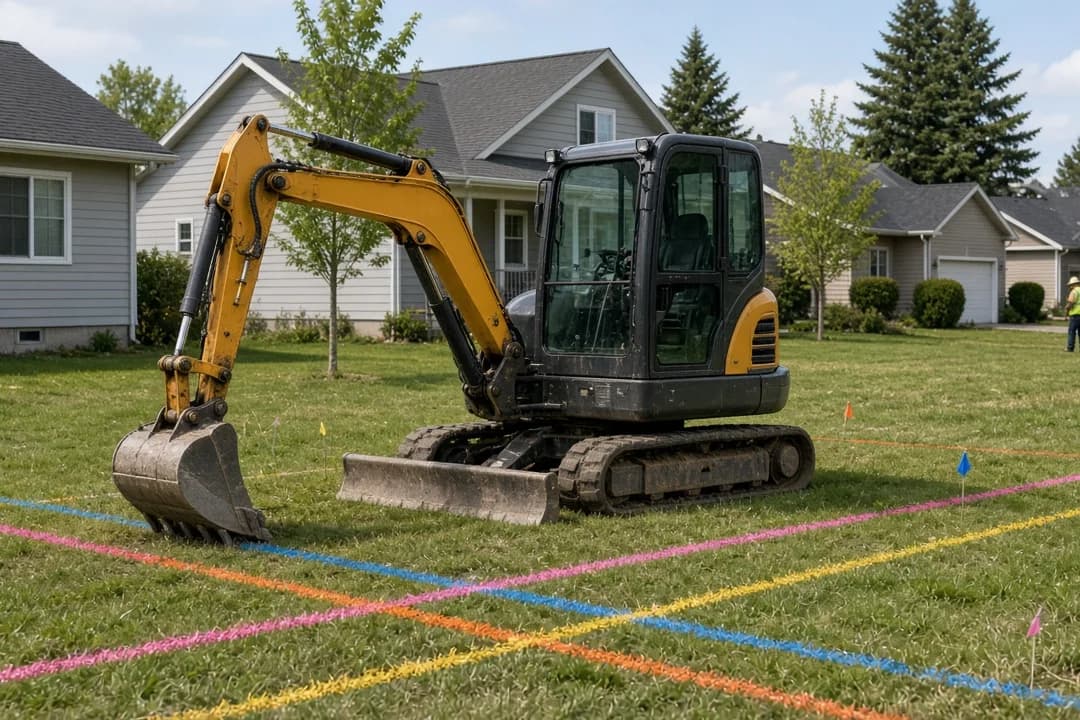
Texas Utilities Code chapter 251 requires an excavator to notify the one-call notification system before excavating. Under section 251.151, notice must be given no earlier than the 14th day and no later than 48 hours before the excavation starts, not counting Saturdays, Sundays and legal holidays.
Texas811 is the one-call center most contractors use. It accepts requests by calling 811 or online, and it asks for at least two business days before digging. The ticket goes to member utility operators, who mark their lines.
- Count only business days: a Friday afternoon request does not clear a Monday morning dig.
- Describe the dig area precisely so operators mark the right place.
- Keep the ticket number on site; some city permits ask for it.
- Wait for every notified operator to respond before digging.
City-Owned Lines Often Need a Separate Request
The statewide system does not always reach City-owned infrastructure. Several DFW cities spell out a separate step:
| City | What the City says |
|---|---|
| North Richland Hills | 811 does not mark City-owned water or sewer lines; an approved ROW permit serves as the request for City locates, and excavation begins only after 811 clears the site and the permit is issued. |
| DeSoto | The ROW application requires 48 hours' notice for City water, sewer and sign or signal locates, all complete before the project starts, and the permit does not replace contacting the one-call system. |
| Arlington | Separate City locates are requested at least two working days ahead; private services and storm pipes are not marked. |
| Frisco | City lines are not part of 811; City locates are needed for digging deeper than 18 inches, require an active ROW, TxDOT or irrigation permit, and are not done on private property. |
Private lines are another gap. Arlington's manual notes that private services are not marked by the City. Service lines on private property, irrigation, site lighting and private storm drains may need a private locator.
Right-of-Way Permits Come First
Digging in a street, alley, sidewalk or utility easement usually needs a city right-of-way permit in addition to locates. The details vary by city:
- North Richland Hills requires a ROW permit for any construction, maintenance or excavation in the right-of-way, asks for two to three business days of review, and requires the permit to be displayed on site.
- DeSoto requires plans and a traffic control plan sealed by a Texas professional engineer, mechanical compaction of all ROW excavations with test reports, and temporary security fencing around open excavations overnight.
- Rowlett will not issue ROW permits to contractors that are not registered with the City.
- Wylie takes right-of-way construction permits and contractor registration online through its CitizenServe portal.
See the city pages for Rowlett and Wylie for links to each City's process.
Fitting Locates Into a Rental Schedule
The most common scheduling mistake is booking the machine for the day the ticket is filed. Work backward from the first dig:
| Step | What to confirm |
|---|---|
| Permit | ROW or grading permit applied for and issued, with any traffic control plan approved. |
| Texas811 ticket | Filed at least two business days ahead, within the 14-day window. |
| City locates | Requested as the City directs, sometimes through the permit itself. |
| Marks verified | Every operator responded; private lines located if needed. |
| Machine delivery | Excavator, trencher or mini excavator arrives after marks are verified. |
City hours can push the window further. Euless treats building excavation outside 7 a.m. to 6 p.m. on weekdays as a noise nuisance, and Wylie requires a permit and a City inspector for Saturday work on engineering permits. A ticket that clears on a Friday may not mean a Saturday dig.
For choosing the right machine once the marks are in, see what size excavator do I need and skid steer vs mini excavator.
Once Digging Starts
Locates tell you where lines are, not how deep. Expose marked lines carefully near the marks, and stop to call the operator if you find an unmarked line or damage one.
OSHA's trenching rules apply as soon as a trench gets deep enough. OSHA's fact sheet calls for protective systems in trenches 5 feet deep or more unless the excavation is in stable rock, a design by a registered professional engineer for trenches 20 feet deep or more, spoils and other loads kept at least 2 feet from the edge, and daily inspection by a competent person.
- Keep the excavator's spoil pile back from the trench edge.
- Plan access and egress before the trench is open.
- Backfill and compact to the City's specification; DeSoto requires mechanical compaction and test reports for ROW excavations.
- Restore pavement, sod and sprinklers as the permit requires.
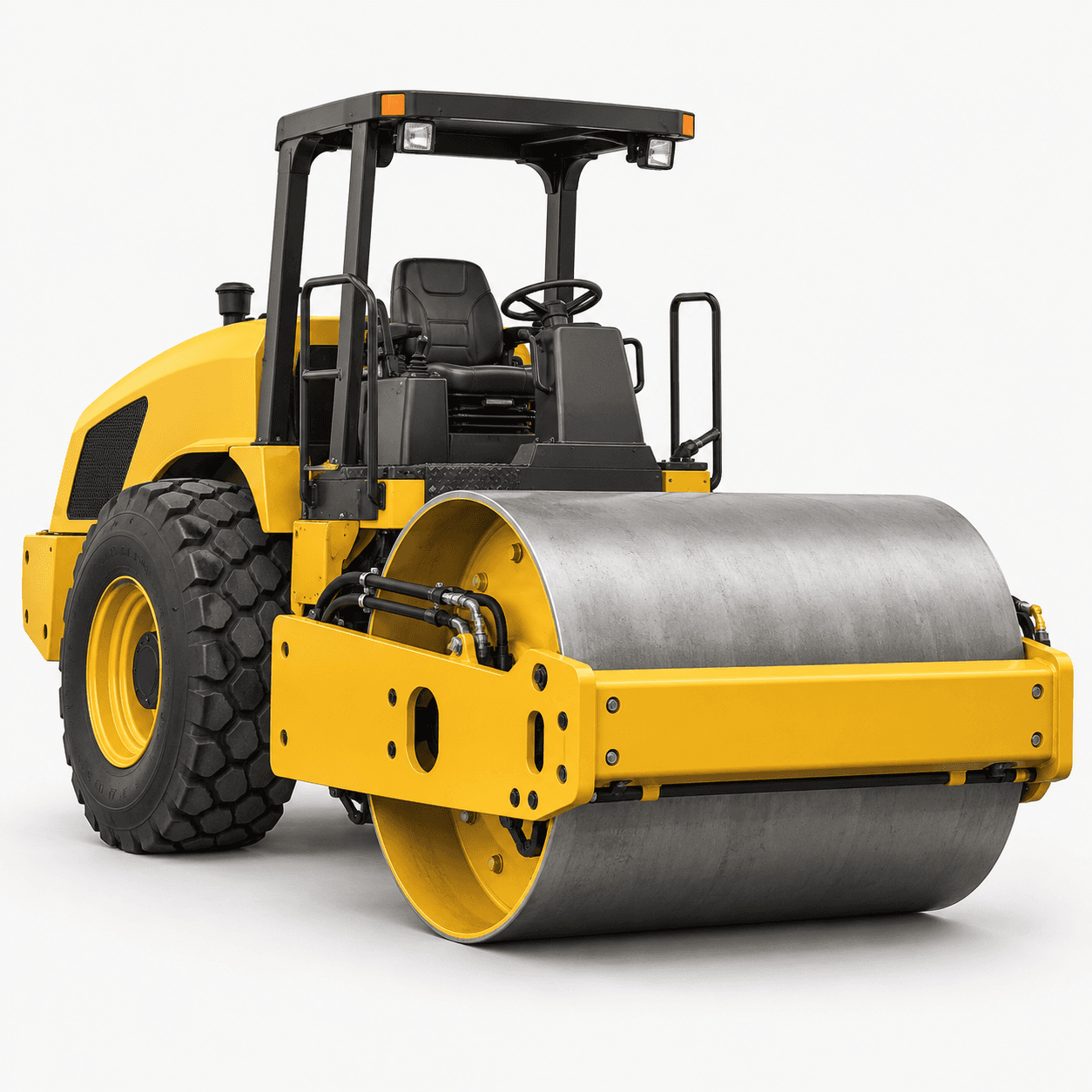
The site preparation equipment guide covers trenchers, compactors and loaders for the rest of the job.
Specifications are taken from manufacturers' published materials and can change. This guide is general information. Always follow the manufacturer's instructions, your rental provider's requirements and your jobsite's safety rules.