The Usual Order of Work
- Permits and plans: a stormwater pollution prevention plan where required, plus local grading, floodplain and right-of-way permits.
- Erosion controls: silt fence, construction entrances and inlet protection before soil is disturbed.
- Clearing: vegetation, debris, old paving and topsoil stripping.
- Earthwork: cutting, filling and rough grading to the plan.
- Underground utilities: trenching, laying pipe and conduit, and backfilling.
- Compaction and fine grading: building pads, paving subgrade and trench backfill brought to the specified density.
Real projects overlap these steps, and the plans and specs set the order. The point is to have each machine on site when its work is ready.
Erosion controls come first for a reason. TCEQ's construction general permit covers sites that disturb one acre or more and discharge stormwater to surface waters, and it requires a stormwater pollution prevention plan before construction starts. Frisco requires erosion control devices on all projects before construction begins, and Grand Prairie won't issue its Clearing, Grubbing and Earthwork Permit, which allows earth-disturbing work to begin, until a stormwater plan has been submitted and released.
What Each Machine Is Best For
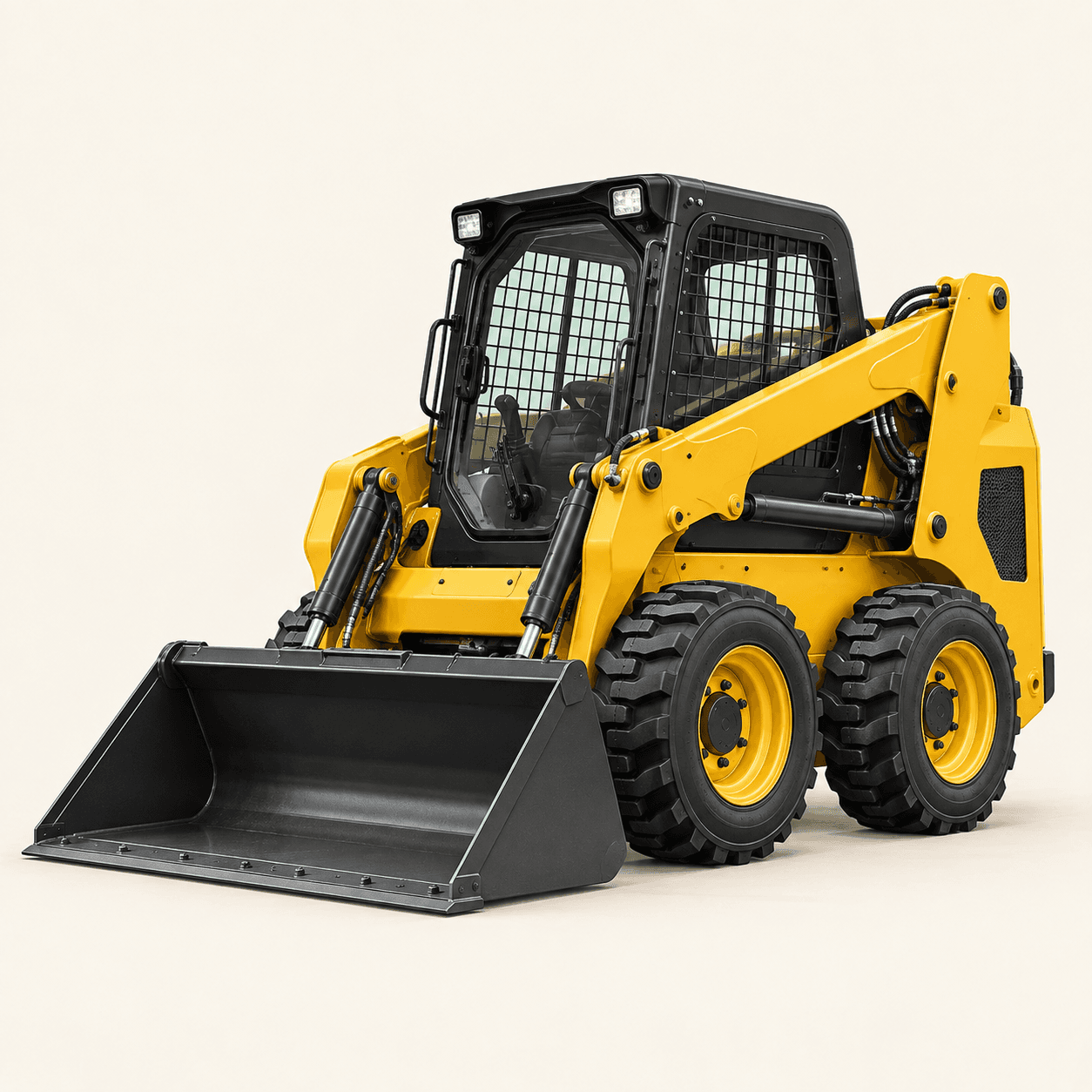
Best for: Track loader or skid steer
- Clearing brush, debris and topsoil on small and mid-size sites
- Spreading and leveling fill, base and topsoil
- Fine grading pads, walks and drives
- Loading spoil into trucks on small jobs
- Running attachments such as brush cutters, augers and trenchers
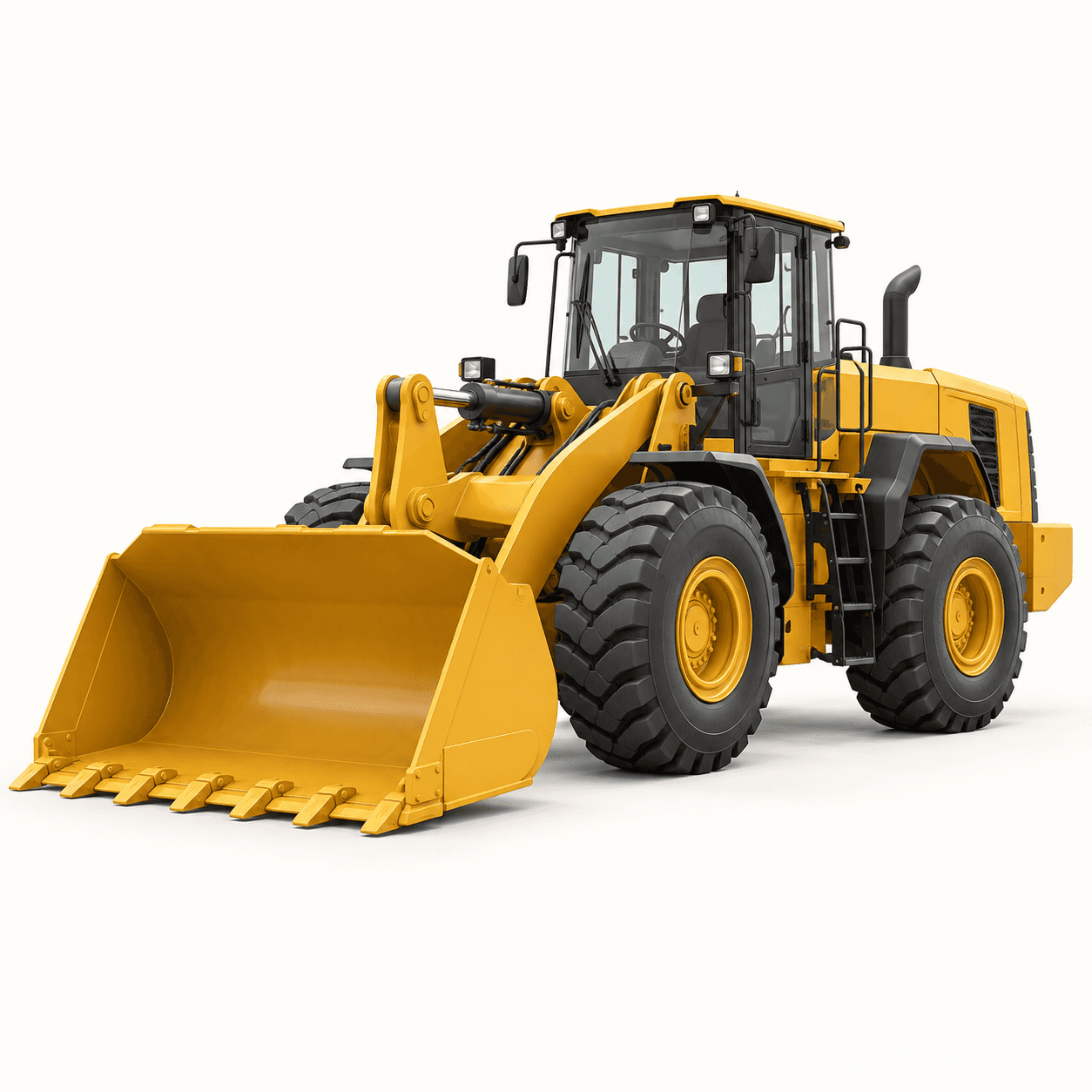
Best for: Wheel loader
- Moving large stockpiles across the site
- Loading a steady line of trucks
- Spreading base and select fill on large pads
- Carrying material across firm ground and haul roads
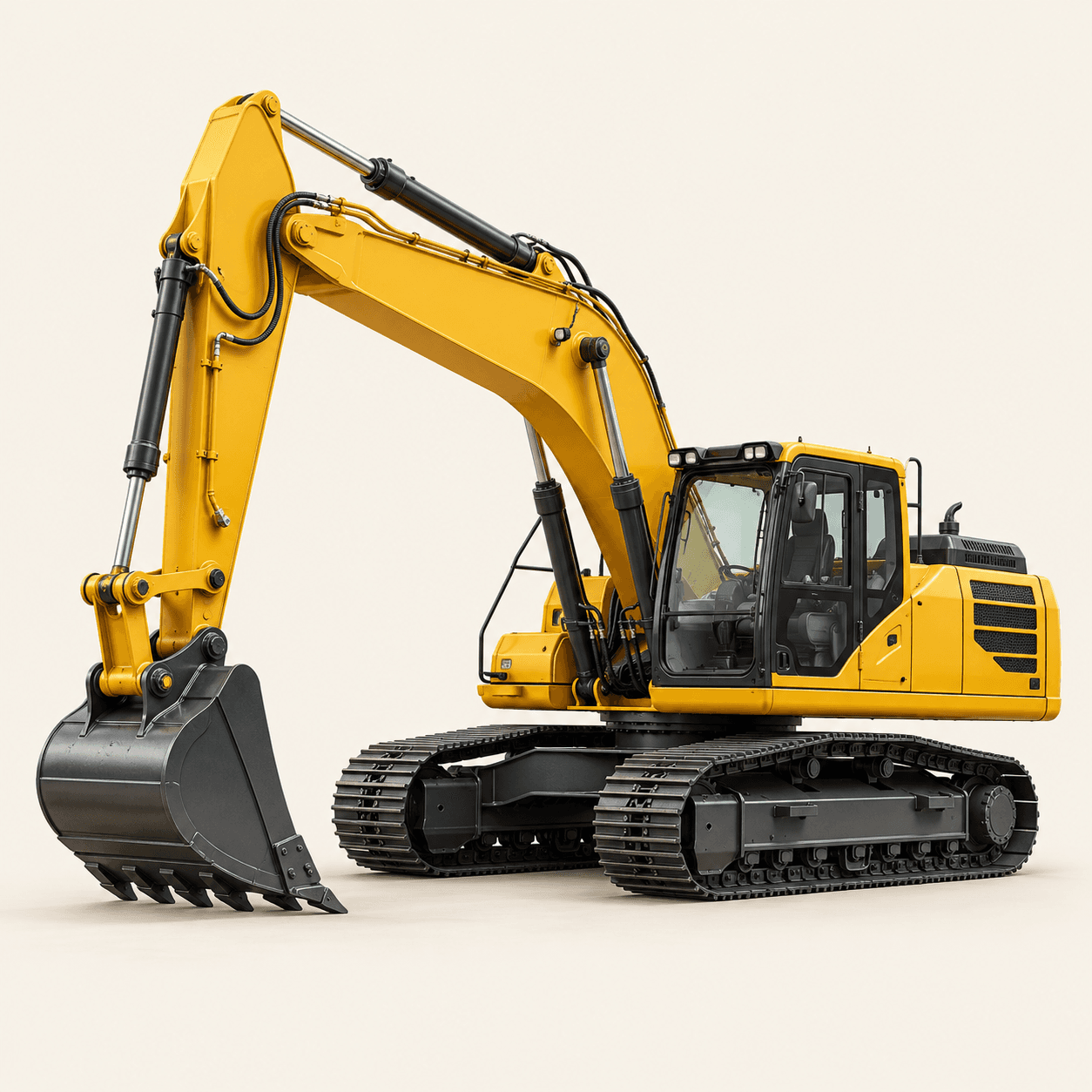
Best for: Excavator
- Mass excavation and deep cuts
- Detention ponds and swales
- Storm, water and sewer trenches
- Loading trucks from a cut or pile
- Removing stumps, old foundations and buried debris
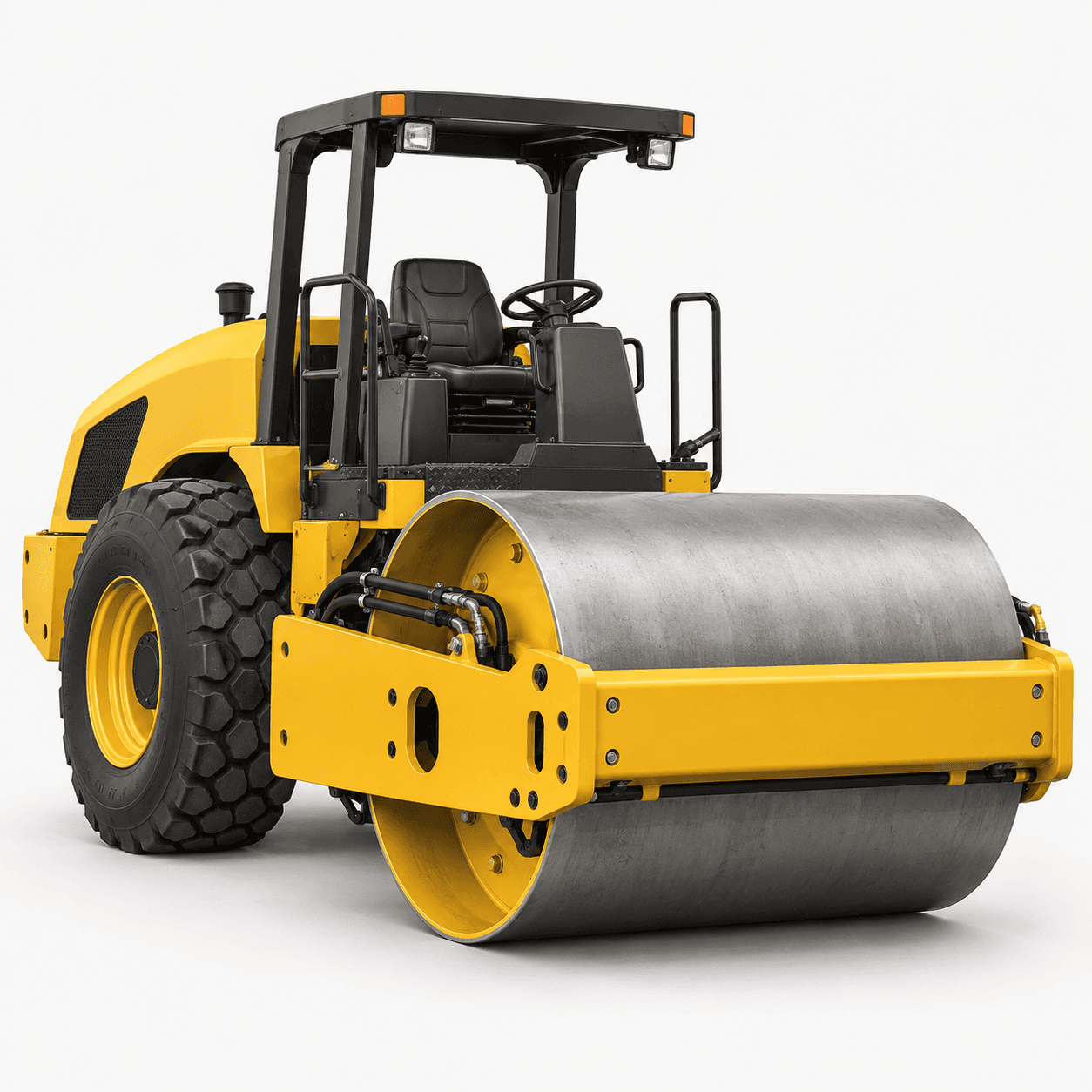
Best for: Compaction equipment
- Rammers for narrow trenches and around pipes and footings
- Vibratory plates for base and small open areas
- Single-drum rollers for building pads and paving subgrade
- Padfoot drums for cohesive clay
Clearing heavily wooded tracts can call for larger forestry or dozer equipment than this guide covers; ask providers what they carry for your site.
Loaders: Track Loader or Wheel Loader
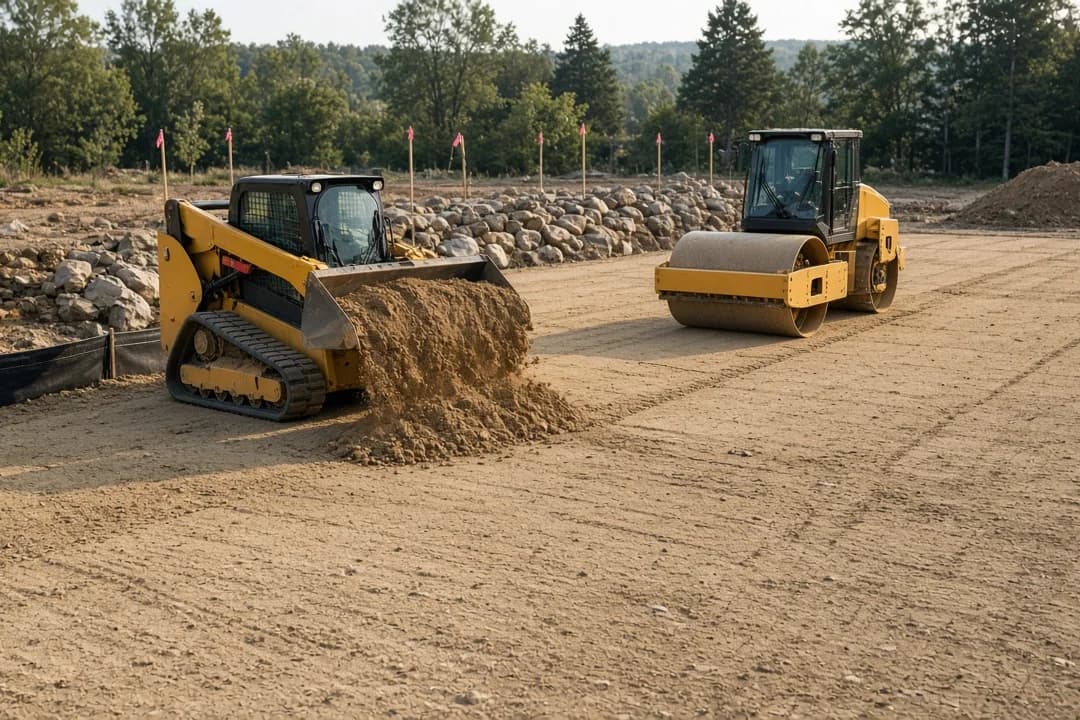
Both carry material in a bucket. A compact track loader spreads its weight on rubber tracks, which helps on soft ground, fits tight sites and runs a wide range of attachments. A wheel loader is a bigger machine on tires that carries far more per trip.
These published specs for a few representative models are illustrative, not a ranking. Confirm the exact machine and bucket with your provider.
| Model | Type | Operating weight | Capacity | Width | Hinge pin height |
|---|---|---|---|---|---|
| John Deere 317 P-Tier | Compact track loader | 8,423 lb | 2,125 lb rated operating capacity | 65.1 in | 121 in |
| Kubota SVL75-3 | Compact track loader | 9,190 lb (open cab) | 2,490 lb rated operating capacity at 35% of tipping load | 65.9 in (standard track) | 122.7 in |
| John Deere 344 P | Compact wheel loader | 19,533 lb | 2.0 to 2.6 cu yd bucket | 7 ft 9 in over tires | 12 ft 2 in |
| John Deere 644 P | Mid-size wheel loader | 41,246 to 41,324 lb | 4.0 to 4.75 cu yd bucket | 9 ft 5 in over tires | 13 ft 5 in |
Pick by volume, distance and ground. On a house pad or small commercial lot, a track loader or skid steer can strip, spread and fine grade. When the job is moving big stockpiles or loading trucks all day, a wheel loader earns its size: the 644 P's bucket is roughly twice the 344 P's. Wheel loaders also weigh far more, which matters on soft ground and for delivery.
Loaders don't dig deep. Cuts, detention ponds and truck loading from a bank are excavator work; our excavator sizing guide covers classes, and the skid steer vs mini excavator guide compares the compact pair.
Compaction: Rammer, Plate or Roller
| Model | Type | Operating weight | Force or power | Working width | Area per hour |
|---|---|---|---|---|---|
| Wacker Neuson BS60-4As 11in | Rammer | 72 kg (about 159 lb) | 18.0 kN impact (about 4,050 lbf) | 280 mm shoe (about 11 in) | 148 m² (about 1,600 sq ft) |
| Wacker Neuson WP1550A | Vibratory plate | 198.4 lb | 3,372 lbf centrifugal | 19.7 in | 9,365 sq ft |
| BOMAG BW 211 D-5 SL | Single-drum roller, smooth drum | 10,630 kg (about 23,400 lb) | 82 kW (about 110 hp) engine | 2,130 mm (about 84 in) | Not listed |
Rammers deliver hard, rapid blows through a small shoe; Wacker lists 656 blows a minute for the BS60-4As. The narrow shoe fits trenches and works around pipes, structures and footings. Plates vibrate a wider base and cover far more ground per hour, and Wacker says its single-direction plates are designed to maneuver around tight corners and into confined areas. Rollers take over on building pads, streets and parking subgrade.
Drum type follows the soil. BOMAG describes its smooth-drum single-drum rollers as ideal for sand, gravel, crushed rock and weakly cohesive soils, and its padfoot models as designed for highly cohesive soils, with a padfoot segment kit available for the smooth drum. Much of North Texas sits on Blackland Prairie clay that USDA describes as very sticky and very plastic when wet, with very high shrink-swell potential, so check the geotechnical report for the specified fill, lift thickness and moisture before choosing a drum.
Local specs set the target. McKinney's right-of-way manual requires backfill in lifts no deeper than 8 inches, compacted to at least 95% of Standard Proctor density, and Grand Prairie requires mechanical tamping of utility ditch lines in the right-of-way to the same 95% density. Thin lifts and density tests favor a compactor matched to the trench width. See compactor rentals for the range of sizes.
Sources
- Wacker Neuson BS60-4As 11in rammer technical data (PDF)
- Wacker Neuson single-direction vibratory plates, WP1550A (PDF)
- BOMAG BW 211 D-5 SL single-drum roller
- USDA NRCS: Houston Black, the Texas state soil
- City of McKinney Right-of-Way Construction and Permitting Procedures Manual (effective July 1, 2025)
- City of Grand Prairie Franchise Utility Permit: standards for construction in public right-of-way
Trenching for Utilities
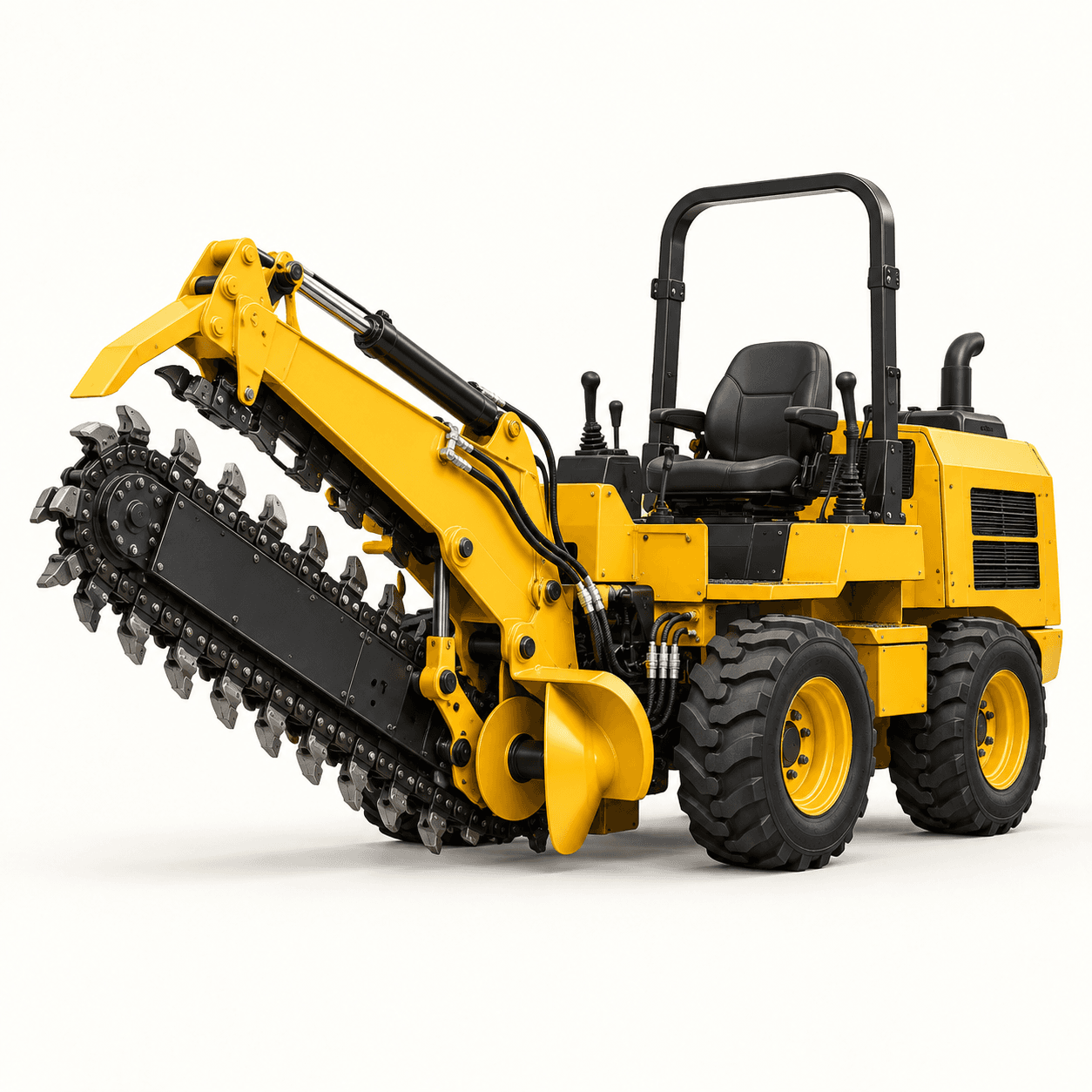
For long, narrow, shallow runs such as irrigation, conduit and small water lines, a trencher cuts a consistent trench with less spoil to handle. Deeper lines, larger pipe and trenches that need a trench box call for a mini excavator or a full-size excavator.
OSHA requires the estimated location of underground utilities to be determined before an excavation is opened, and a protective system such as sloping, shoring or a trench box for excavations 5 feet deep or more unless they're entirely in stable rock. Spoil has to stay at least 2 feet from the edge, and trenches 4 feet or deeper need a ladder, stairway or ramp within 25 feet of lateral travel.
In Texas, notice to the one-call system is due at least 48 hours before excavating, not counting weekends and holidays. Some cities add their own steps for right-of-way work: Mesquite requires City utility locates to be requested at least 48 hours ahead and says GIS maps and plans of record don't count as a locate, and Garland notes that storm drains aren't located and must be verified from plans and by potholing.
Weather and Ground Conditions
Earthwork runs on moisture. The National Weather Service in Fort Worth notes that spring and fall are the wettest seasons in Dallas–Fort Worth, and that July and August highs are consistently in the 90s and often reach 100 degrees. Wet, sticky clay slows machines and can push fill outside the moisture range your spec calls for.
Build weather days into the schedule, shape stockpiles to shed water, and check silt fence and construction entrances after storms. Tracked machines spread their weight better on soft ground; ask the provider about tracks and mats when the site is wet.
Starting Points by Site Type
| Site | Clearing and grading | Compaction | Trenching |
|---|---|---|---|
| Residential lot or small addition | Compact track loader or skid steer | Rammer and plate | Mini excavator or trencher |
| Small commercial pad | Track loader plus a mini or midi excavator | Plate and a single-drum roller | Mini or midi excavator |
| Subdivision or large commercial site | Excavators and wheel loaders, track loaders for fine grading | Single-drum rollers, padfoot for clay | Excavator with a trench box |
| Industrial building pad and truck court | Excavators and wheel loaders, track loaders for fine grading | Smooth-drum and padfoot rollers | Excavator; trencher for conduit runs |
Site Preparation Across DFW
Where the open land is shapes the work. Mesquite's 2019 comprehensive plan places its largest contiguous undeveloped tracts south of Cartwright Road and along the I-20 corridor, and puts about 9 percent of the city in flood hazard areas. Frisco's plan says roughly 13% of its land is still undeveloped, and Grand Prairie says land remains in and around the Great Southwest Industrial District and to the south, where hill country–like terrain around Joe Pool Lake is drawing residential development.
Permits differ by city. Grand Prairie requires a Floodplain Development Permit for development within 200 feet of a special flood hazard area or floodplain, and McKinney requires erosion control measures to be inspected and approved before construction begins. Each city page has the details and sources.
Sources
- City of Mesquite Comprehensive Plan (adopted Oct. 7, 2019)
- City of Frisco 2040 Comprehensive Plan, Chapter 2: Land Use
- City of Grand Prairie: About Grand Prairie
- City of Grand Prairie Engineering Permits
- City of McKinney Right-of-Way Construction and Permitting Procedures Manual (effective July 1, 2025)
Specifications are taken from manufacturers' published materials and can change. This guide is general information. Always follow the manufacturer's instructions, your rental provider's requirements and your jobsite's safety rules.