
Garland Equipment Rentals
Construction Equipment Rentals in Garland, TX
Garland was one of the first Dallas County suburbs to boom, and its comprehensive plan describes a first-ring suburb where nearly all of the vacant land has already been developed. The City's 2026–2036 strategic plan puts it plainly: Garland is largely built out, so its future comes from reinvesting in aging commercial corridors, older neighborhoods and the land already inside the city.
That makes most Garland construction renovation, conversion and redevelopment rather than new ground. Use this page to match equipment to that work, then confirm availability, delivery and terms with providers that serve your site.
Local Work
Equipment Work in Garland
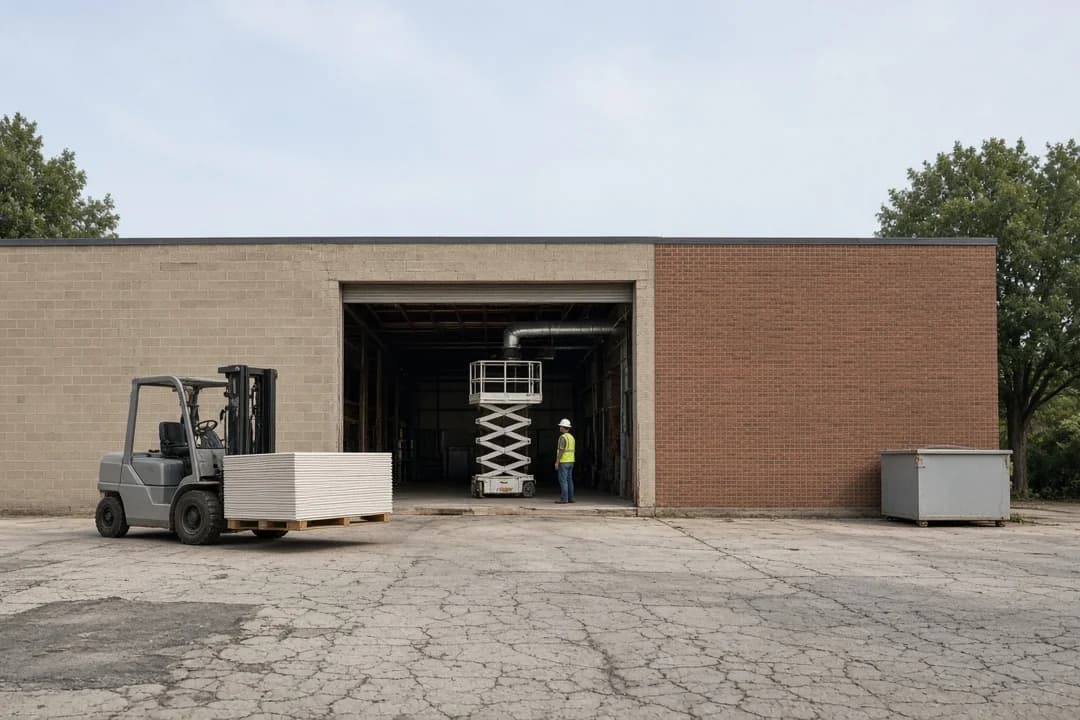
Envision Garland, the City's comprehensive plan, puts general industry at about nine percent of the city's land and calls its industrial base a long-standing strength, with room for existing industries to expand and for vacant industrial buildings to be converted for new users. Expanding or converting an older plant or warehouse is mostly material handling and work at height: forklifts and telehandlers for stock and materials, scissor lifts for ceilings, lighting and sprinklers, and concrete saws when a floor is opened for new utilities.
The strategic plan concentrates reinvestment in designated focus areas, including commercial corridors with redevelopment potential and aging retail centers ready for repositioning. Those sites come with existing parking lots, curbs, islands and open businesses next door, so skid steers and mini excavators that can work between storefronts tend to do more than large earthmovers.
Homes follow the same pattern. The comprehensive plan notes that about 60 percent of Garland's housing was built before 1980, and it supports infill and redevelopment that keeps established neighborhoods stable. Service line replacement, driveways, additions and foundation work on older lots call for compact machines and careful locating.
Ground and water shape the rest. When the plan was written, about 15 percent of the city was undeveloped, much of it floodplain, and the remaining large tracts sat along the State Highway 190 and Interstate 30 corridors. The plan also recalls that settlers along Duck Creek found the black soil ideal for cotton; for a jobsite, check your parcel in the USDA Web Soil Survey and your geotechnical report before planning footings or compaction.
Featured Equipment
Equipment for Garland Projects
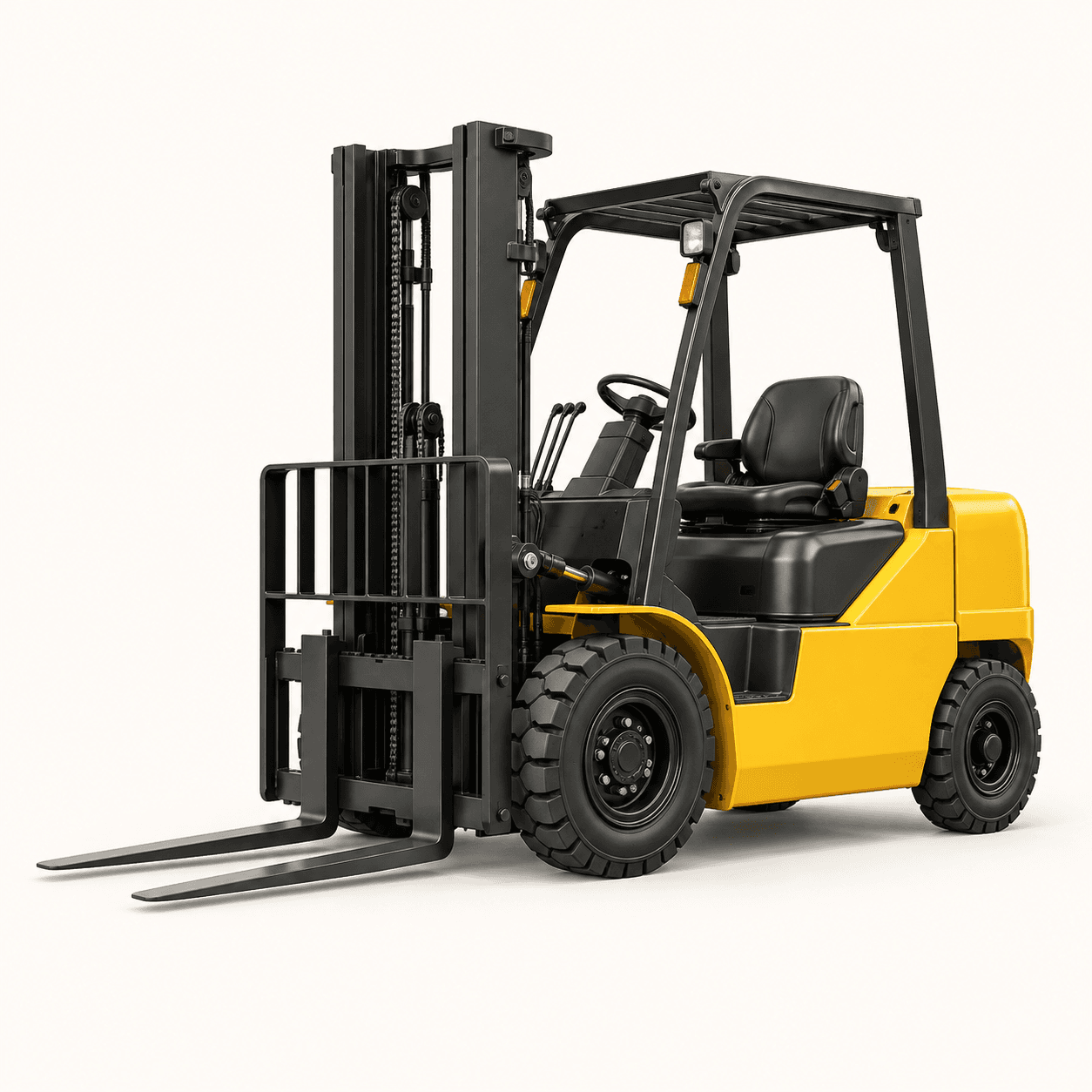 Forklift RentalsMoving pallets, racking and materials in and around older industrial buildings being expanded or converted for new users. Match mast height to the door openings and tires to the floor and yard.
 Scissor Lift RentalsCeilings, lighting, sprinklers and HVAC inside older warehouses, plants and retail boxes, where a level slab sits under the work. Electric slab scissors keep exhaust out of occupied buildings.
 Telehandler RentalsLifting roofing, steel and rooftop equipment onto industrial and retail buildings when there's no crane on site, and moving materials across rough yards.
 Skid Steer RentalsDemolition cleanup, regrading pads and parking areas, and hauling spoil on retail redevelopment sites where a larger loader can't turn between islands and buildings.
 Mini Excavator RentalsWater, sewer and storm connections, footings and drainage on older residential lots and commercial pads, where existing lines have to be found before anyone digs.
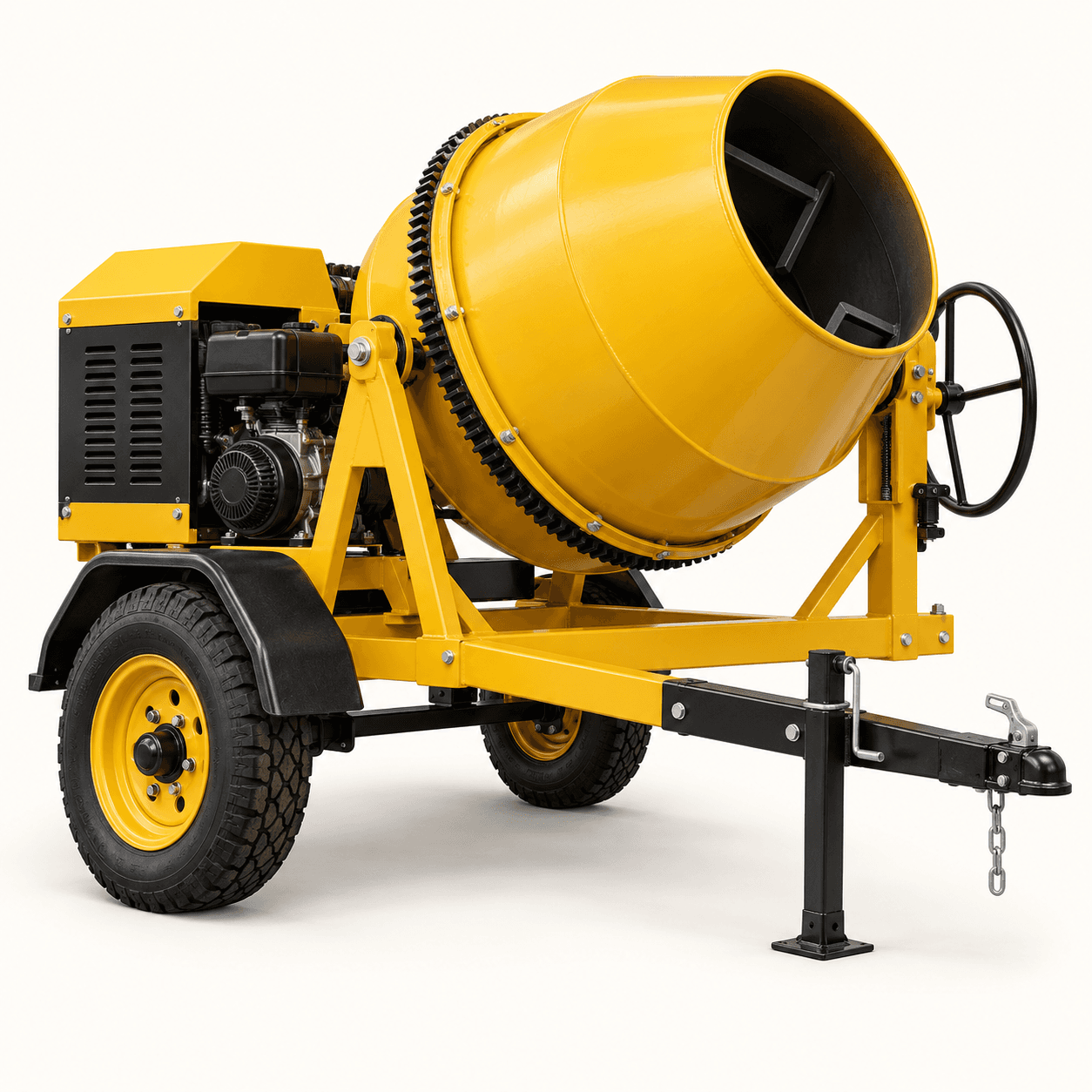 Concrete Equipment RentalsSaws, breakers and finishing tools for cutting slabs for new utilities, replacing flatwork and pouring new floors in converted buildings.
Site Rules
Before You Rent in Garland
Local rules and conditions worth checking before equipment arrives. Requirements change and depend on the project, so confirm the details with the agency for your site.
Locate, then pothole
Texas law requires notice to a one-call center at least 48 hours before excavating, not counting weekends and holidays, and Garland Power & Light, the City's electric utility, asks anyone digging to call 811 at least two days ahead. For right-of-way work, Garland's construction directives make the contractor responsible for locates from all affected utilities and for confirming each line's horizontal and vertical location by potholing or hand digging before excavating or boring.
Storm drains aren't located
Garland's utility construction checklist for right-of-way work notes that storm drains aren't located, so they have to be verified from plans and by potholing. On older sites, budget time to find them before a trencher or mini excavator goes in.
Right-of-way permits and pavement
Work in Garland's right-of-way starts with contractor registration and a permit, and the City's directives ask for complete applications at least 10 working days ahead. Streets, alleys and sidewalks less than five years old can't be cut without the Director's approval, trenches under paving are backfilled with cement-treated sand or flowable fill, and pavement has to be restored within 14 days.
Lane closures and City holidays
For right-of-way work, the City's checklist bars lane closures in school zones, limits them to after 8 a.m. and before 4 p.m. on streets other than residential streets, and ends them at noon on Fridays. It also rules out work on City holidays, the weekend of a City holiday and the day before one, except in emergencies.
Working next to homes
Garland's building code amendments allow outside work adjacent to an occupied residential subdivision or residential use, including apartments, only from 7 a.m. to 8 p.m., every day of the week. On redevelopment sites beside homes, keep deliveries, generators and early pours inside that window.
Heat and wet seasons
The National Weather Service office in Fort Worth notes that Metroplex highs in July and August are consistently in the 90s and often reach 100 degrees, and that spring and fall are the wettest seasons. Plan roof and exterior lift work around heat and storms, and cover open trenches and stockpiles before rain.
Nearby Cities
Equipment Rentals Near Garland
FAQ
Questions About Renting in Garland
Does Garland Power & Light mark its lines when I call 811?
Garland Power & Light directs anyone digging to call 811 at least two days before starting so buried utility lines can be marked. Texas law requires the one-call notice at least 48 hours before excavating, excluding weekends and holidays. For right-of-way work, Garland also expects you to pothole or hand dig to confirm line locations, and storm drains have to be verified from plans because they aren't located.
Can I cut a street or alley in Garland?
In the right-of-way, only under a permit and with the City's approval. Garland doesn't allow cuts in streets, alleys or sidewalks less than five years old unless the Director approves, requires cement-treated sand or flowable fill under paving, and expects pavement restored within 14 days.
What hours can I work next to homes in Garland?
Garland's building code amendments allow outside work adjacent to occupied homes or apartments from 7 a.m. to 8 p.m., seven days a week. Right-of-way work has its own limits on lane closures and holidays, so check your permit as well.
What equipment suits converting an older industrial building in Garland?
Plan for material handling and work at height first: a forklift or telehandler for materials, electric scissor lifts for ceilings and overhead systems, and concrete saws and a mini excavator if new utilities go under the slab. Measure door openings and check the floor before choosing machine sizes.
Find Construction Equipment Rentals in Garland
Browse equipment categories to find the right machine for your project.