Colorado
Denver · Colorado Springs · Fort Collins
Browse Colorado RentalsEquipment Rentals
Find telehandler rentals for lifting and placing materials at height and across the jobsite. Compare local providers and choose the right lift capacity and reach.
About This Equipment
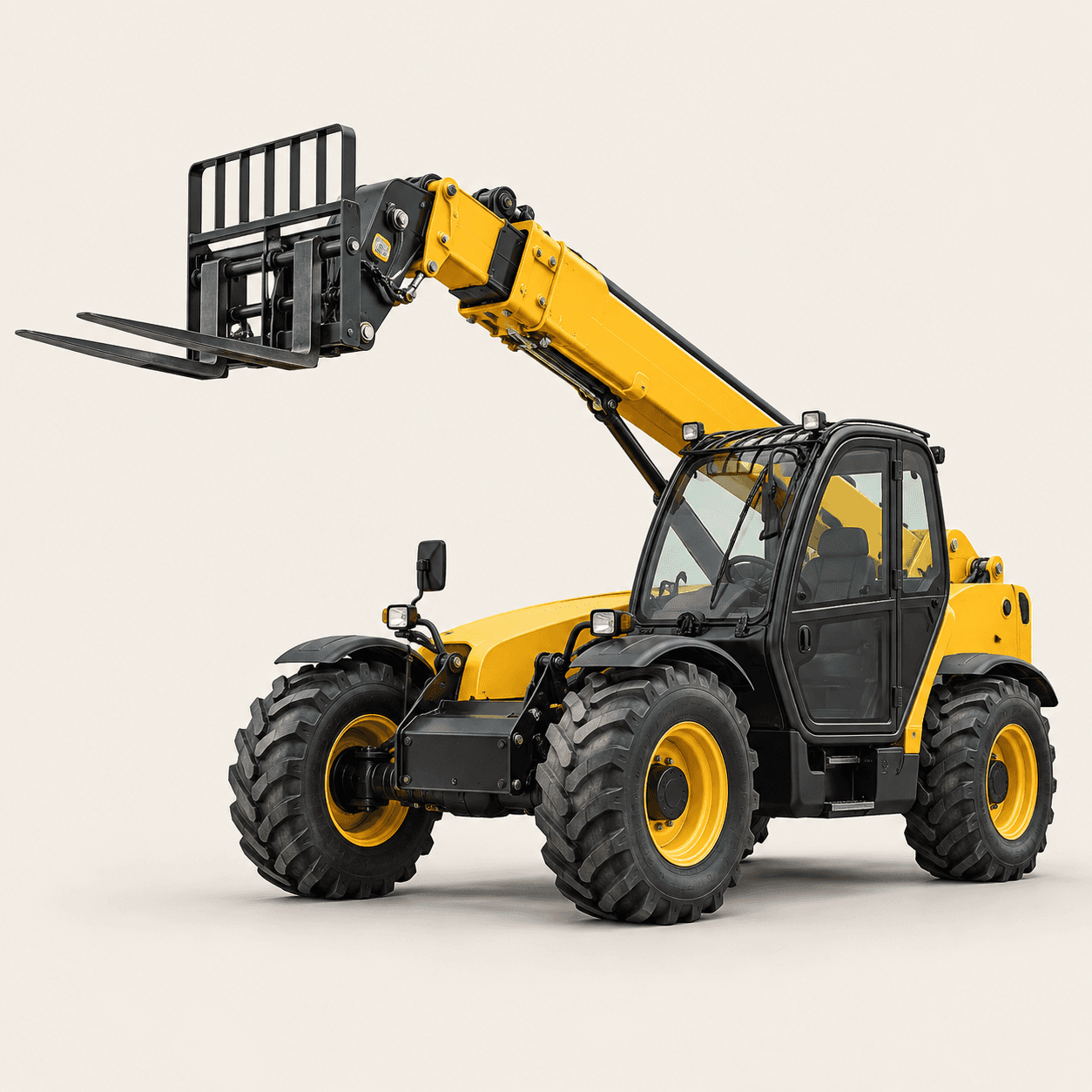
A telehandler, also called a telescopic handler or reach forklift, combines forks with a telescoping boom. It can lift loads up and out — onto roofs, upper floors and scaffolding, or over obstacles — instead of only straight up like a standard forklift.
Telehandlers are common on framing, masonry, roofing and commercial jobsites. They unload trucks, move pallets across rough ground and place trusses and materials at height. With approved attachments, many can also work with a bucket or other tools.
Most telehandlers are rough-terrain machines with four-wheel drive and large tires, which is why builders rent them for active construction sites rather than using warehouse forklifts.
Common Uses
Find Rentals by Location
Denver · Colorado Springs · Fort Collins
Browse Colorado Rentals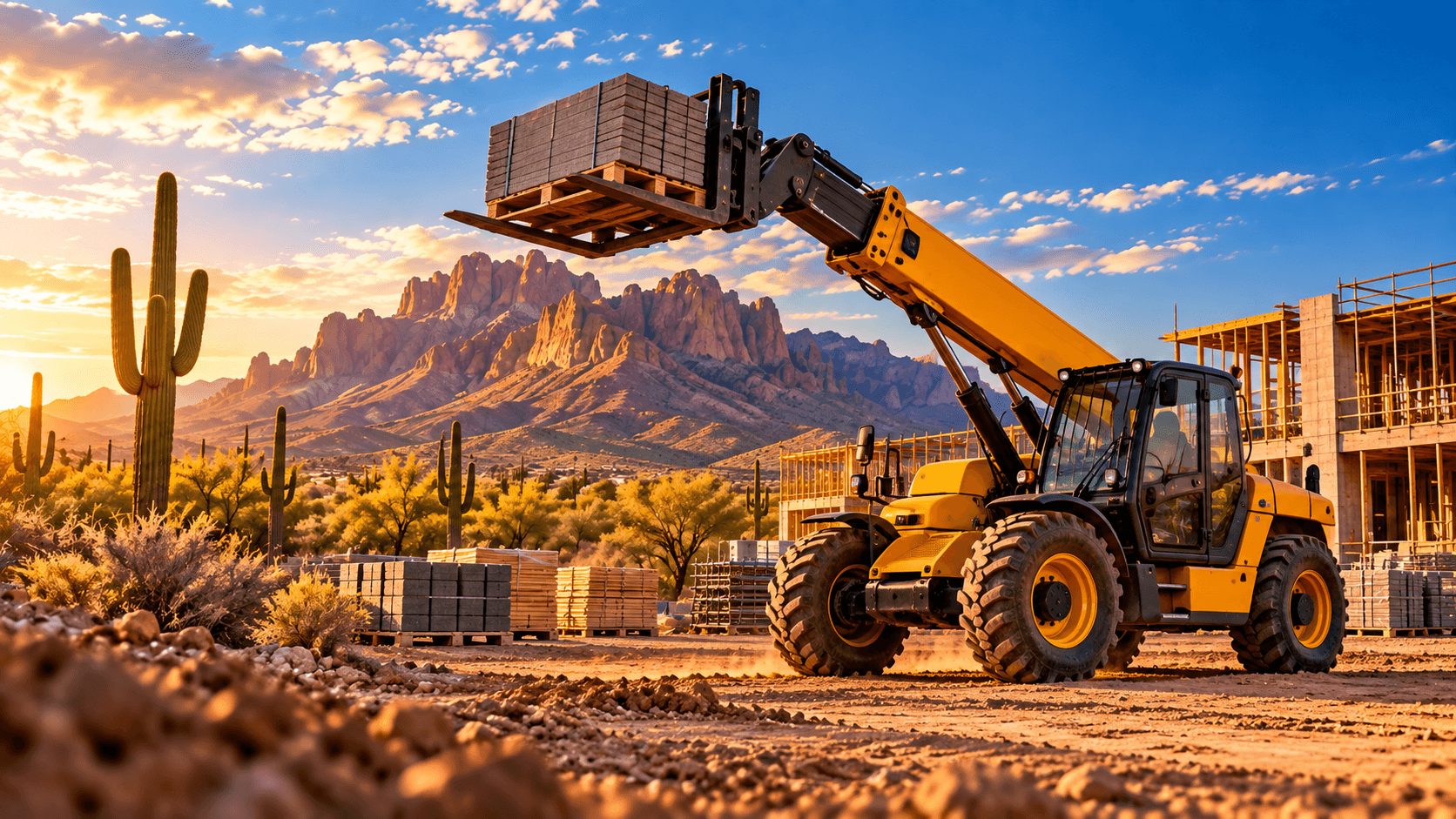
Phoenix · Tucson · Mesa
Browse Arizona Rentals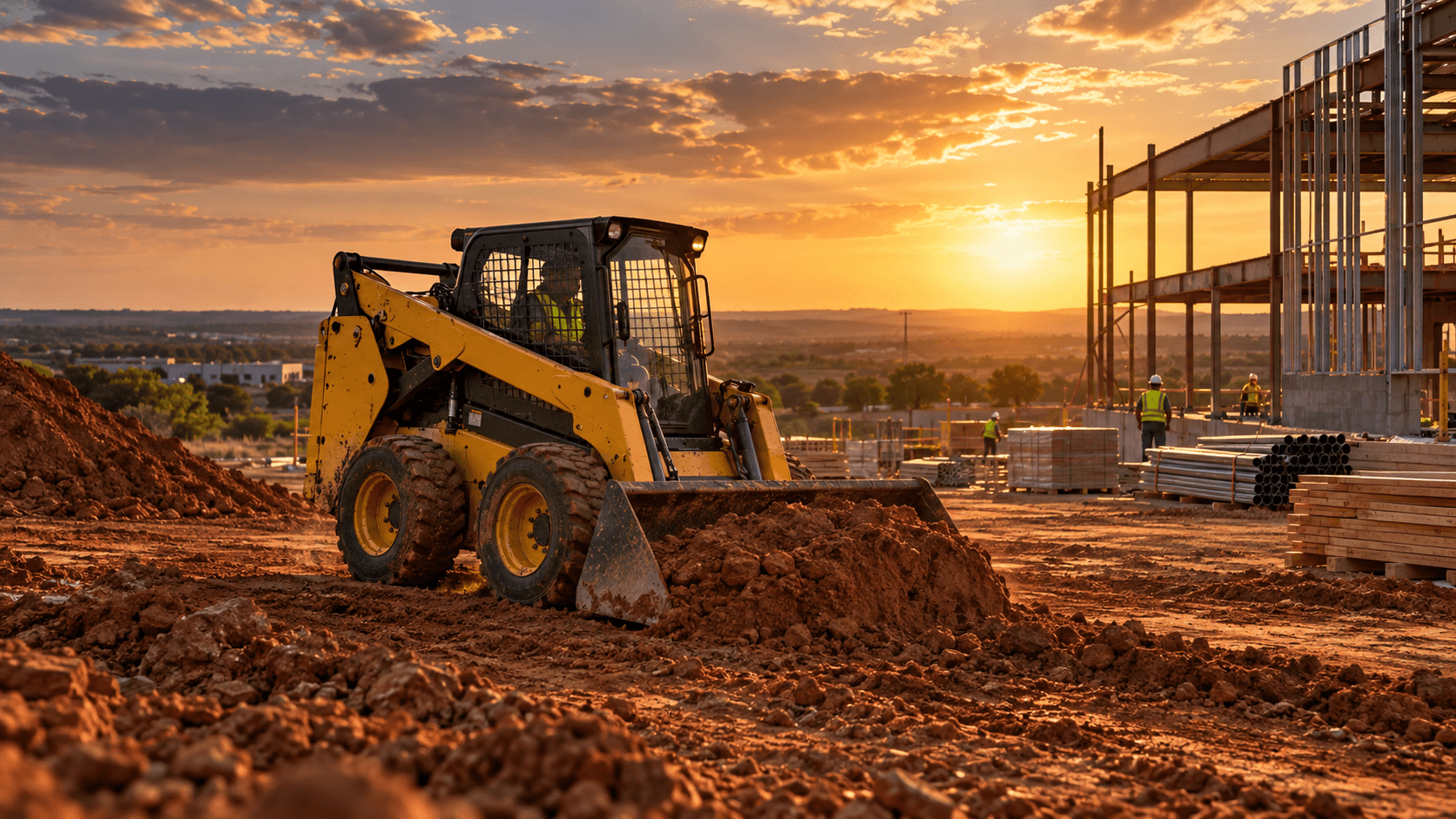
Dallas · Houston · Austin
Browse Texas RentalsRental Considerations
A telehandler's capacity drops as the boom extends. Check the load chart for the weight you need to place at your actual height and distance.
Match maximum lift height to the highest placement point on your project, with some margin.
Rough-terrain models handle uneven sites, but lifting should still happen on firm, level ground. Some machines offer stabilizers or frame leveling.
Ask about fork carriages, buckets, truss booms and jibs, and use only attachments approved for the machine.
Telehandler operators are generally expected to be trained. Confirm requirements with the provider and your employer.
Providers commonly offer daily, weekly and monthly rates. Ask how rates, hour limits, weekends and delivery days are counted so you can plan the rental around your schedule.
This guidance is general. Always follow the manufacturer's instructions, your rental provider's requirements and your jobsite's safety rules.
FAQ
A standard forklift lifts vertically on a mast and is usually built for warehouses and smooth surfaces. A telehandler uses a telescoping boom to reach up and forward, and is typically built for rough terrain.
It depends on the model. Rental fleets typically range from compact units to high-reach machines. Tell the provider your maximum placement height and load weight so they can match a machine.
Many telehandlers accept a bucket for moving loose material. They're not a replacement for a dedicated wheel loader on high-volume work, but they're useful on sites with mixed tasks.
In most workplaces, telehandler operators are expected to be trained and evaluated before operating. Confirm the requirements with your employer and the rental provider.
Related Equipment
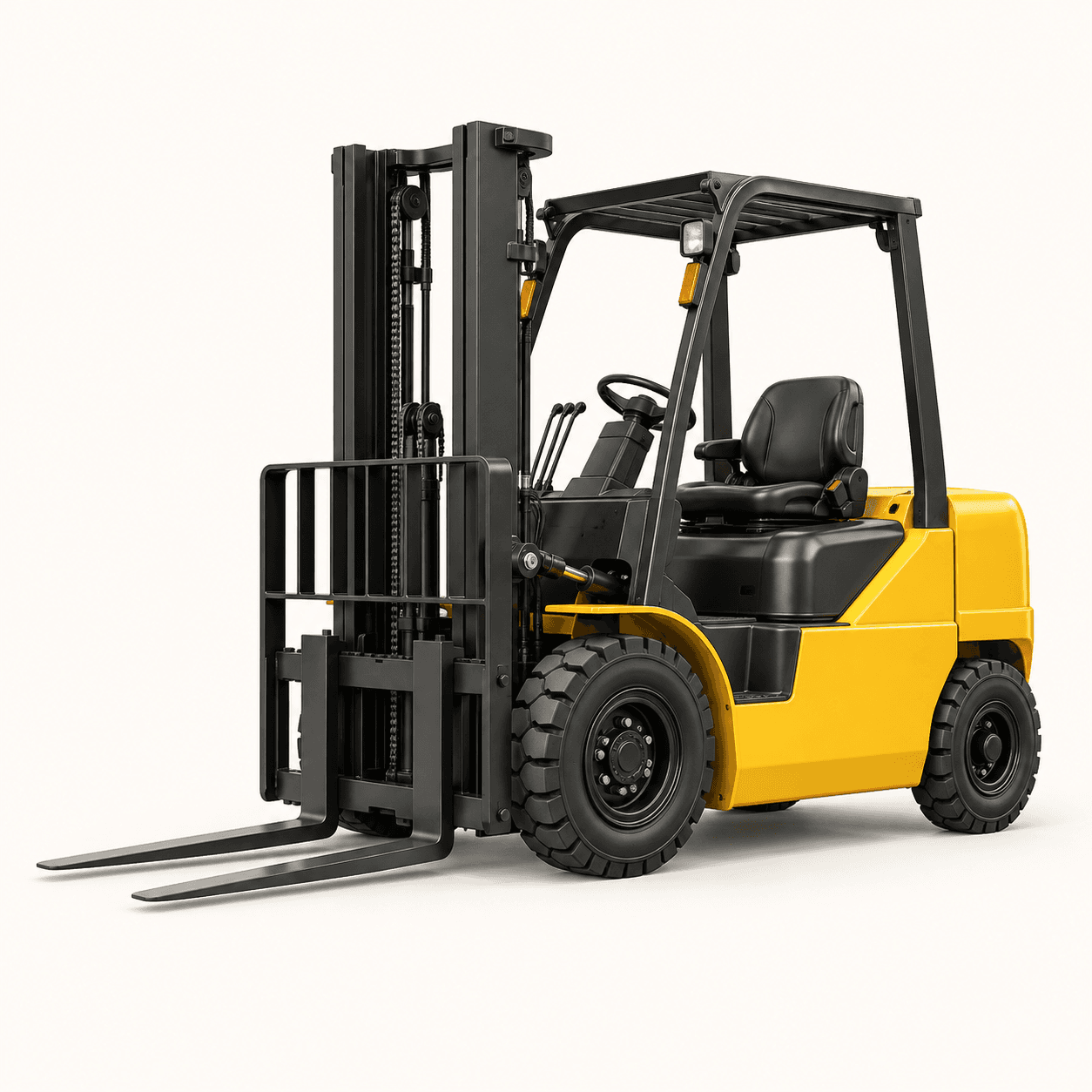
Warehouse and rough-terrain forklifts for palletized loads.
View rentals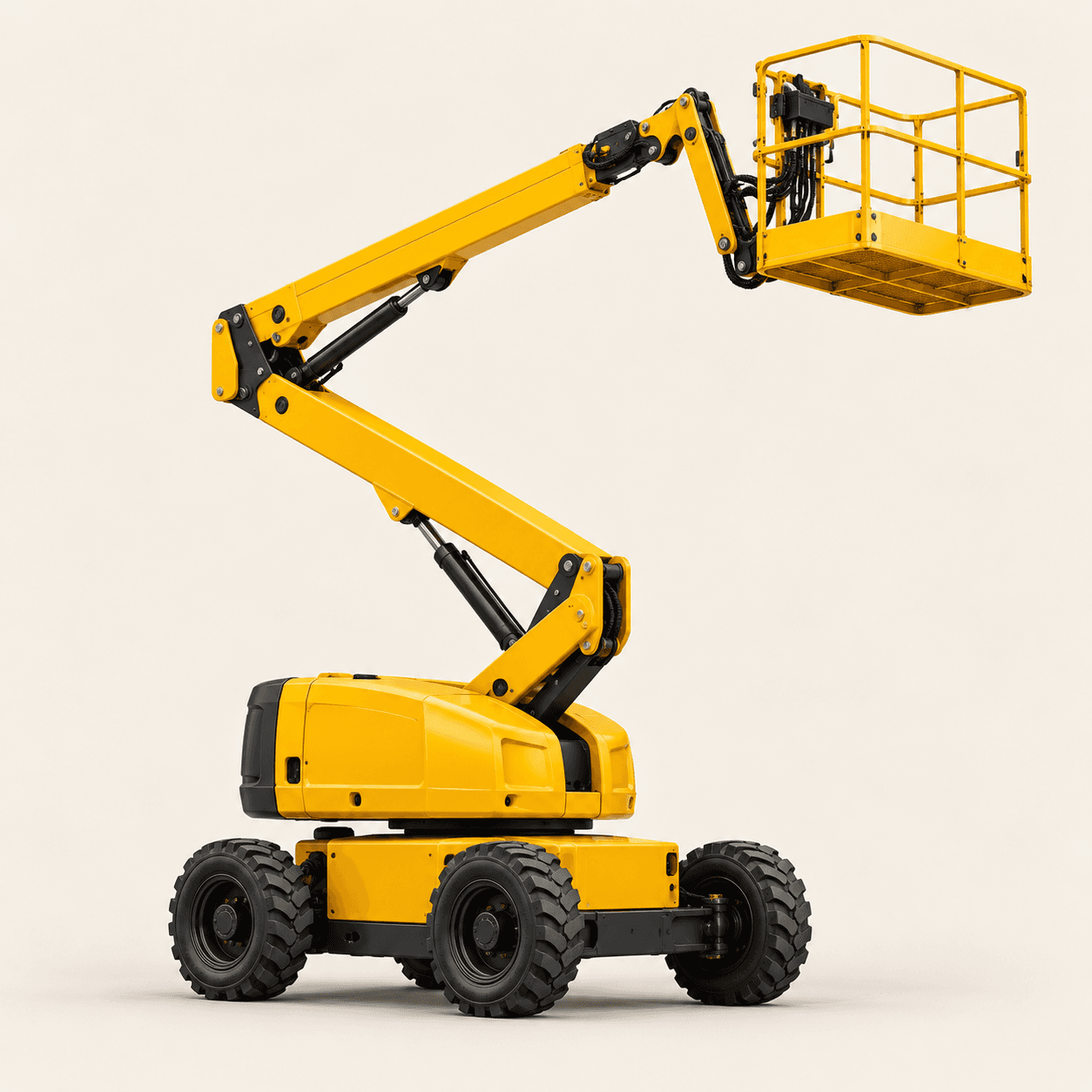
Articulating and telescopic lifts for reaching up and over.
View rentals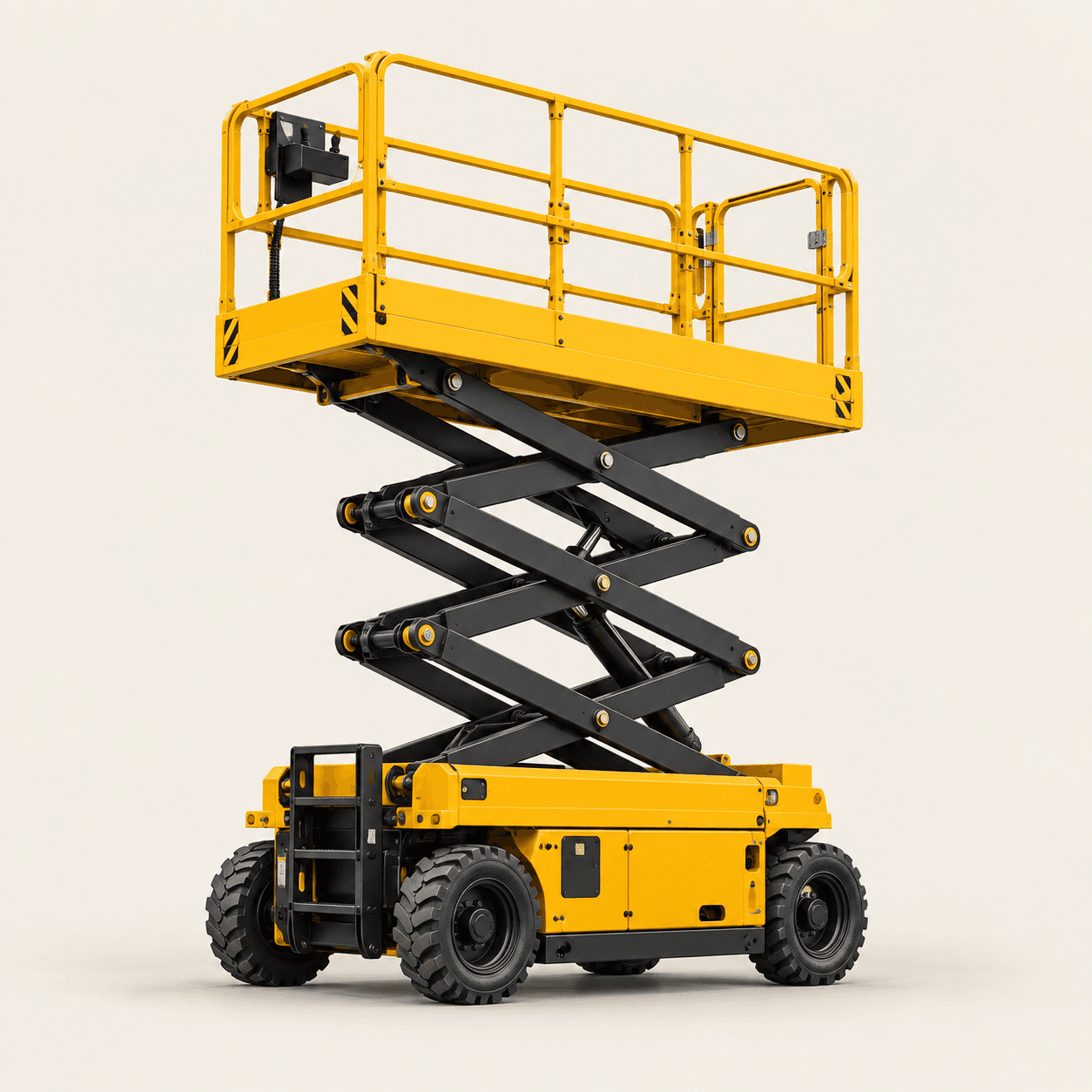
Vertical work platforms for interior and exterior work at height.
View rentals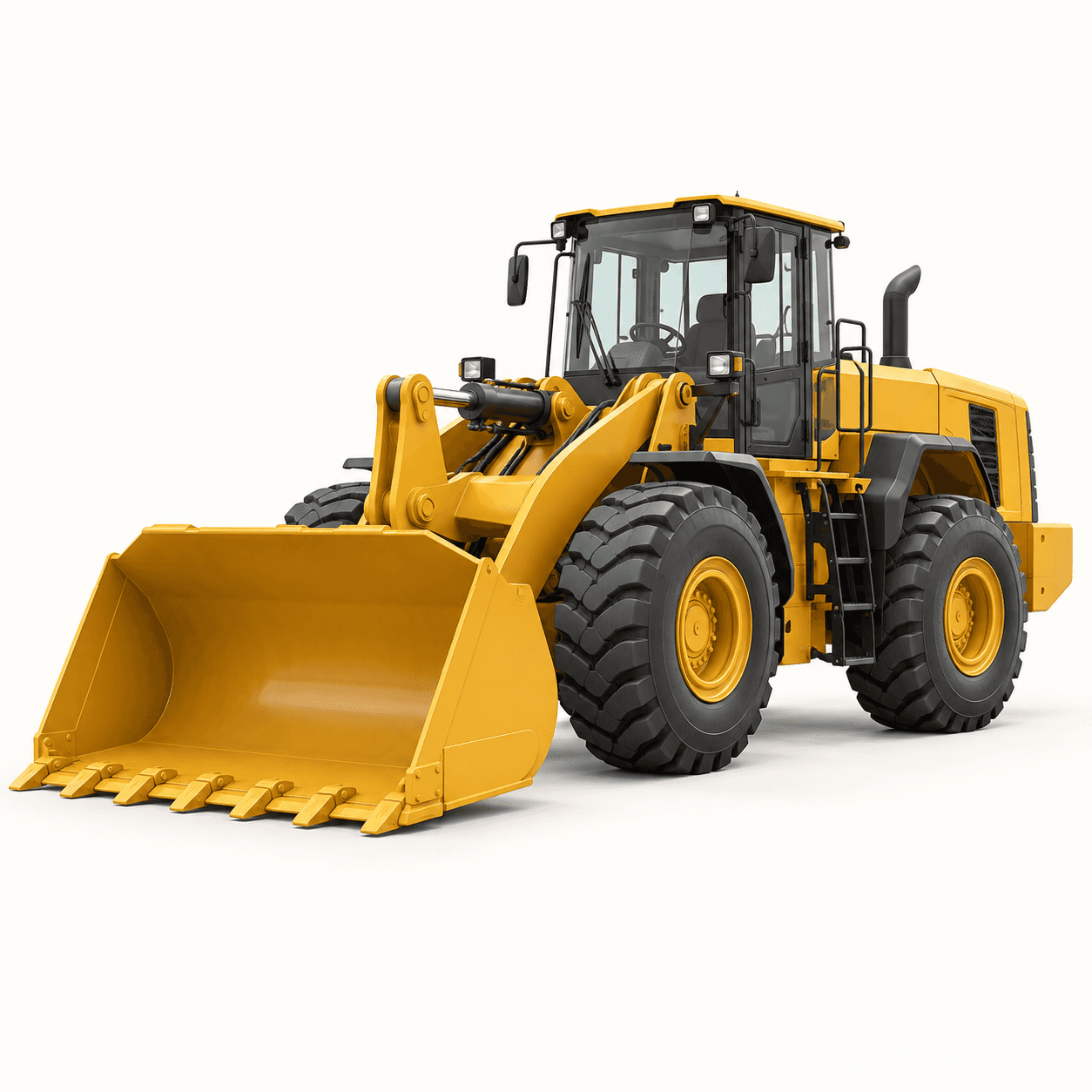
Front-end loaders for moving, loading and stockpiling material.
View rentalsChoose your state and city to find local rental options for your project.