How Rental Length Usually Works
Providers commonly quote by the day, week and month, with definitions that vary by company. Some count a day as a calendar day, others as a working shift. Weekly and monthly terms may include a set number of hours, with overtime billed separately. Get the written definition for your quote.
Best for: Short-term fits
- A defined task with a clear end: a trench, a pour, a weekend facade job
- One operator and one attachment list
- Sites that will not store equipment overnight securely
Best for: Longer terms fit
- Multi-week commercial or industrial builds
- Backup power or material handling that stays on site between tasks
- Projects where remobilizing would cost more time than leaving the machine
Use the equipment rental checklist to lock access, locates and operator rules before you debate length.
Utilization Beats Calendar Guesswork
Ask how many hours the machine will actually work each day it is on rent. A skid steer that runs all day on a pad is highly utilized. A generator that idles overnight for temporary power is a different pattern. Share both the calendar span and the expected hours with the provider.
| Equipment | Short burst clues | Longer stay clues |
|---|---|---|
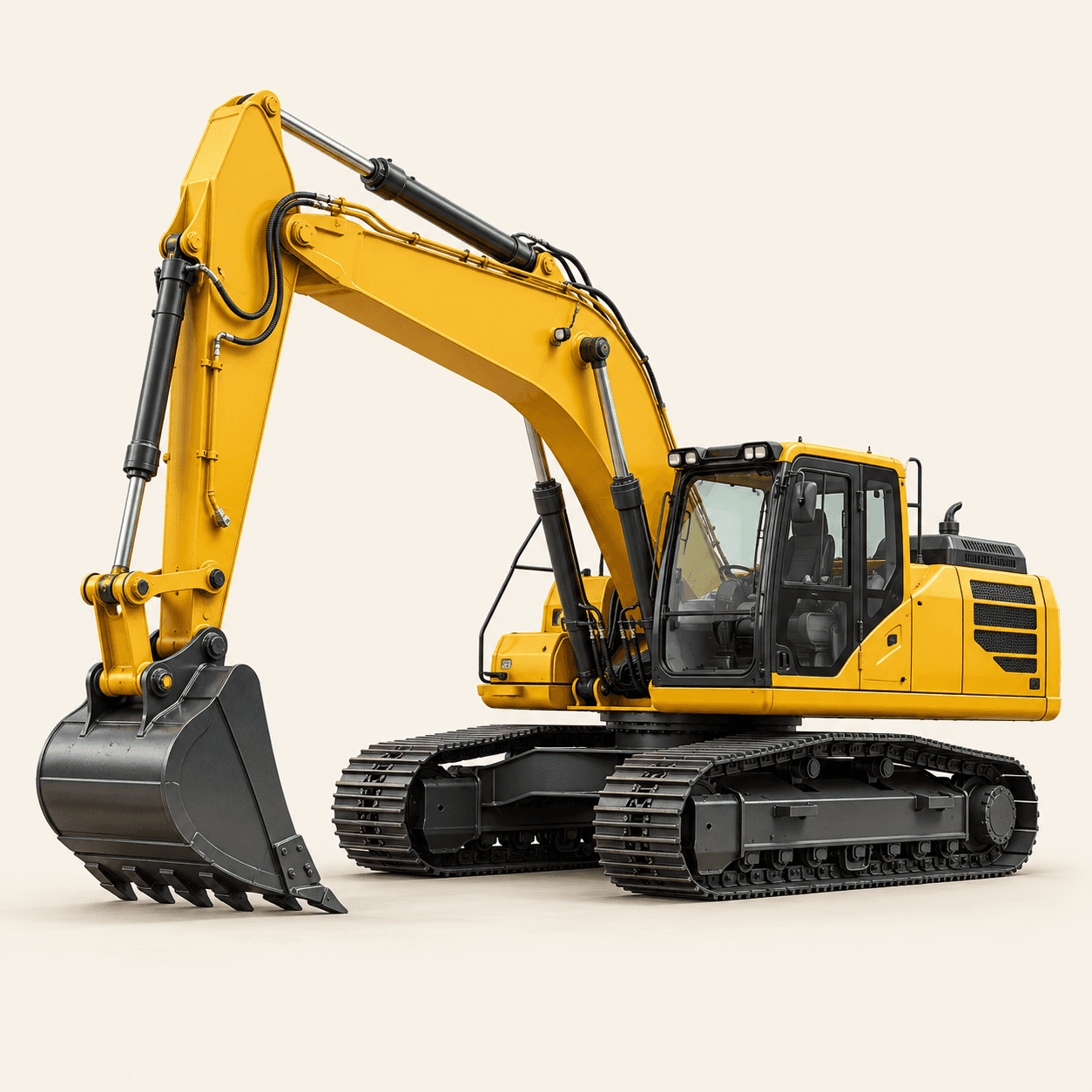
| Excavator / mini excavator | One trench, one footing package, one demo day | Phased utilities across a subdivision or industrial park |
| Skid steer / track loader | Backfill and final grade in a few days | Ongoing site support across multiple trades |
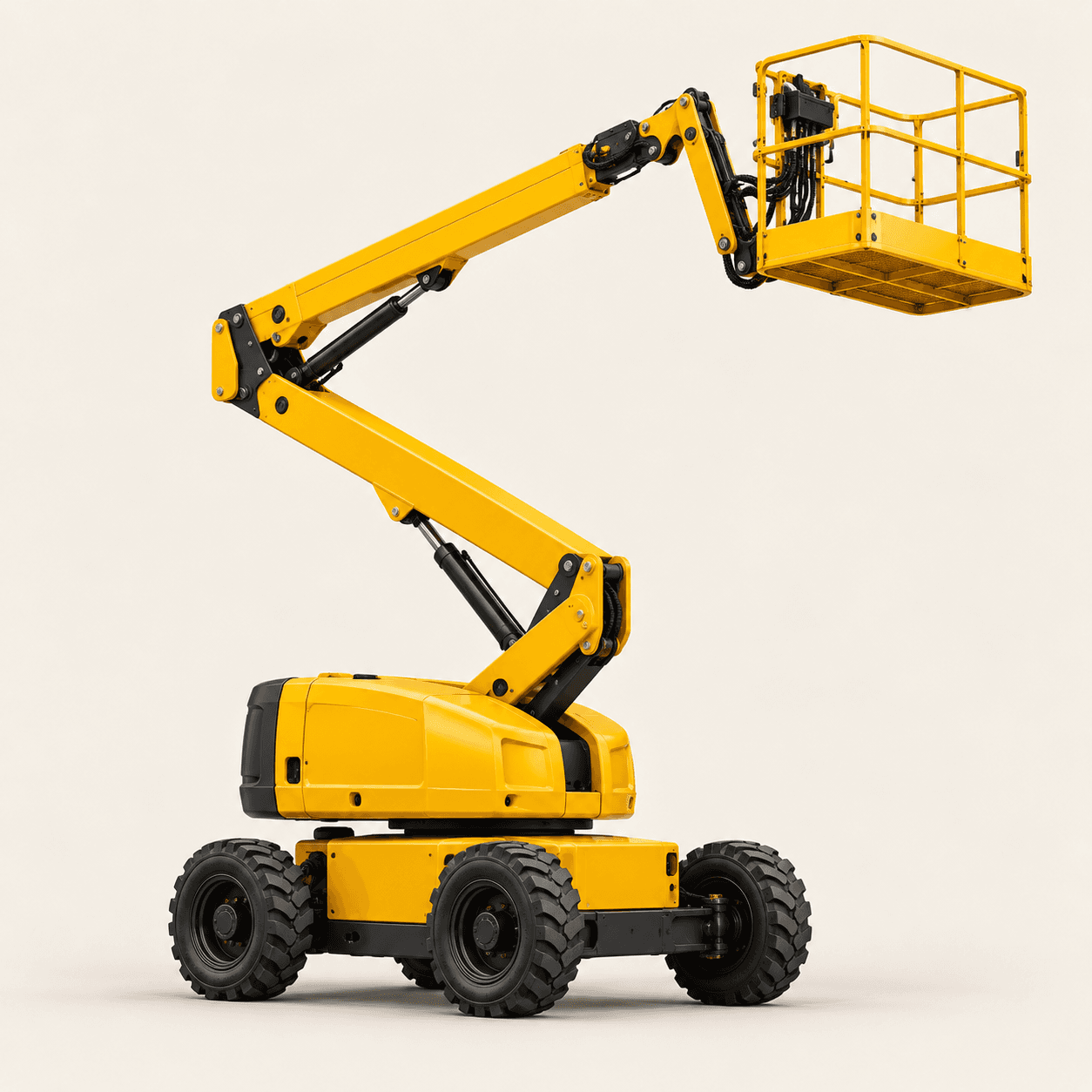
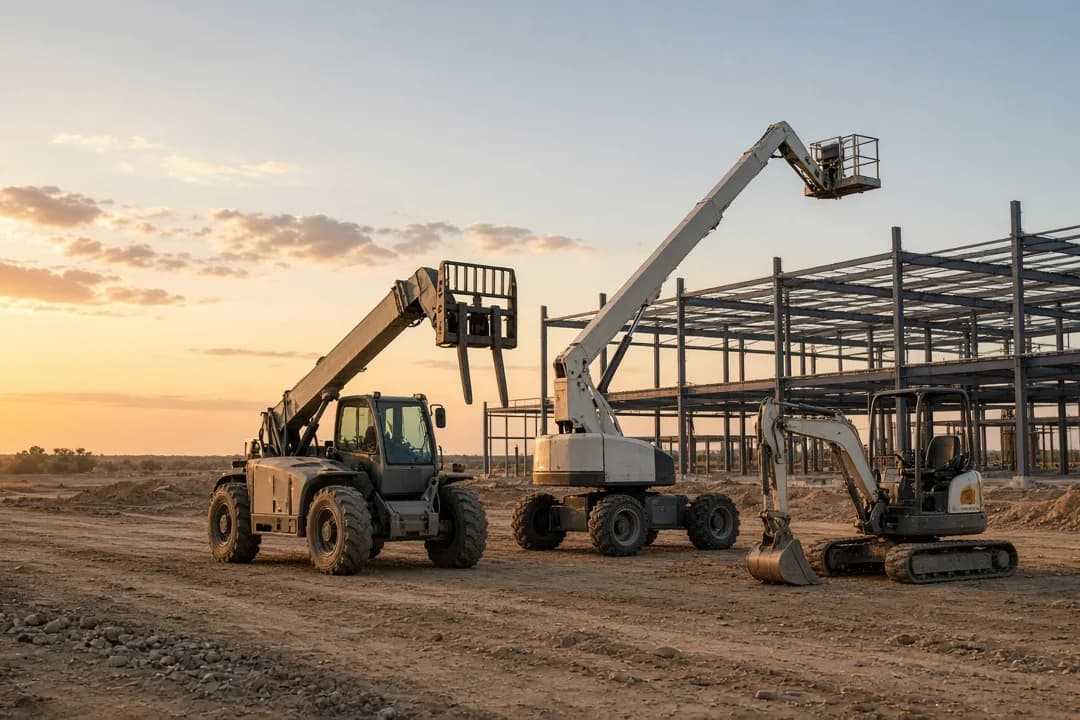
| Boom / scissor lift | A weekend facade or ceiling package | Multi-week tenant finish or warehouse racking |
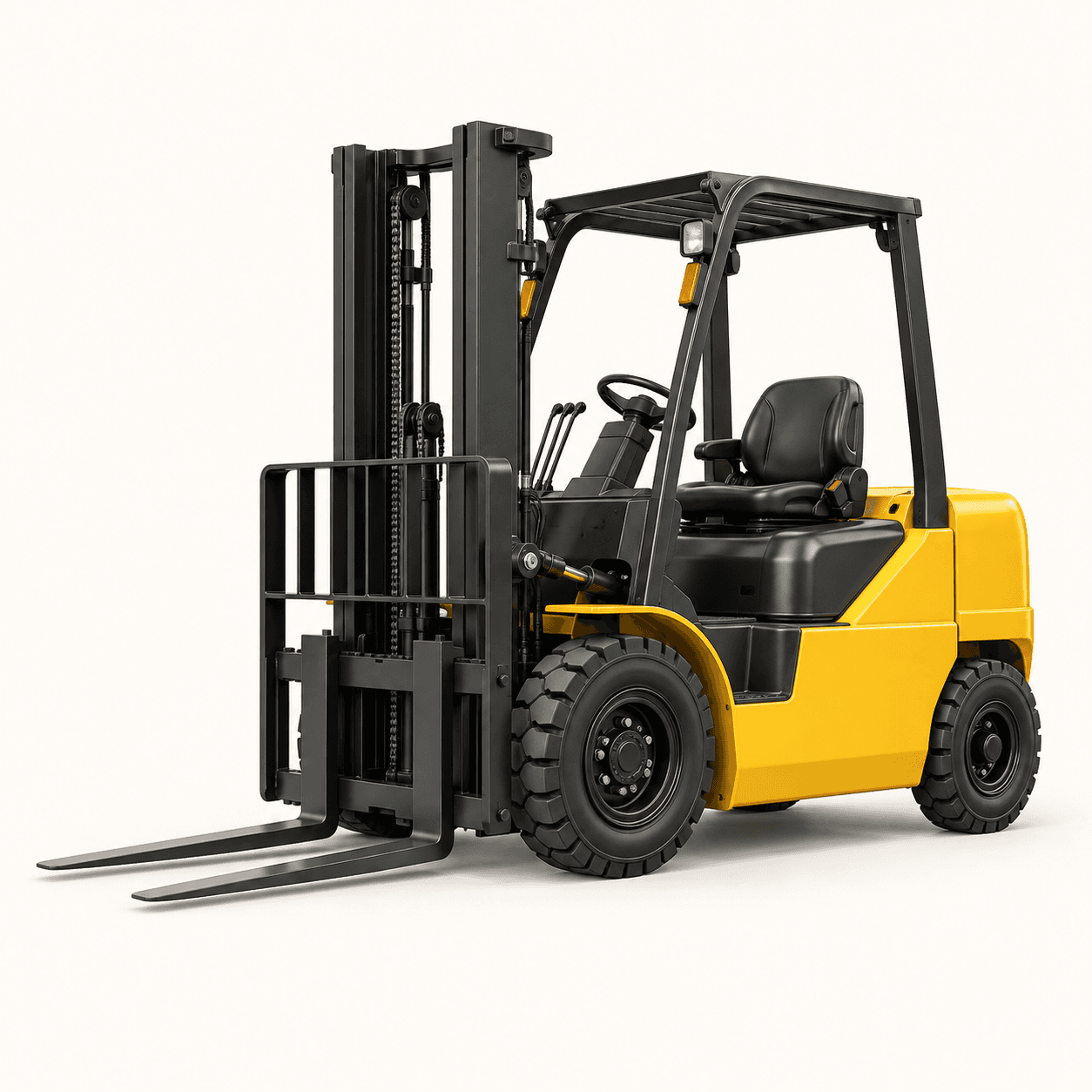
| Forklift | A delivery day or short warehouse move | Fit-out and stocking across weeks |
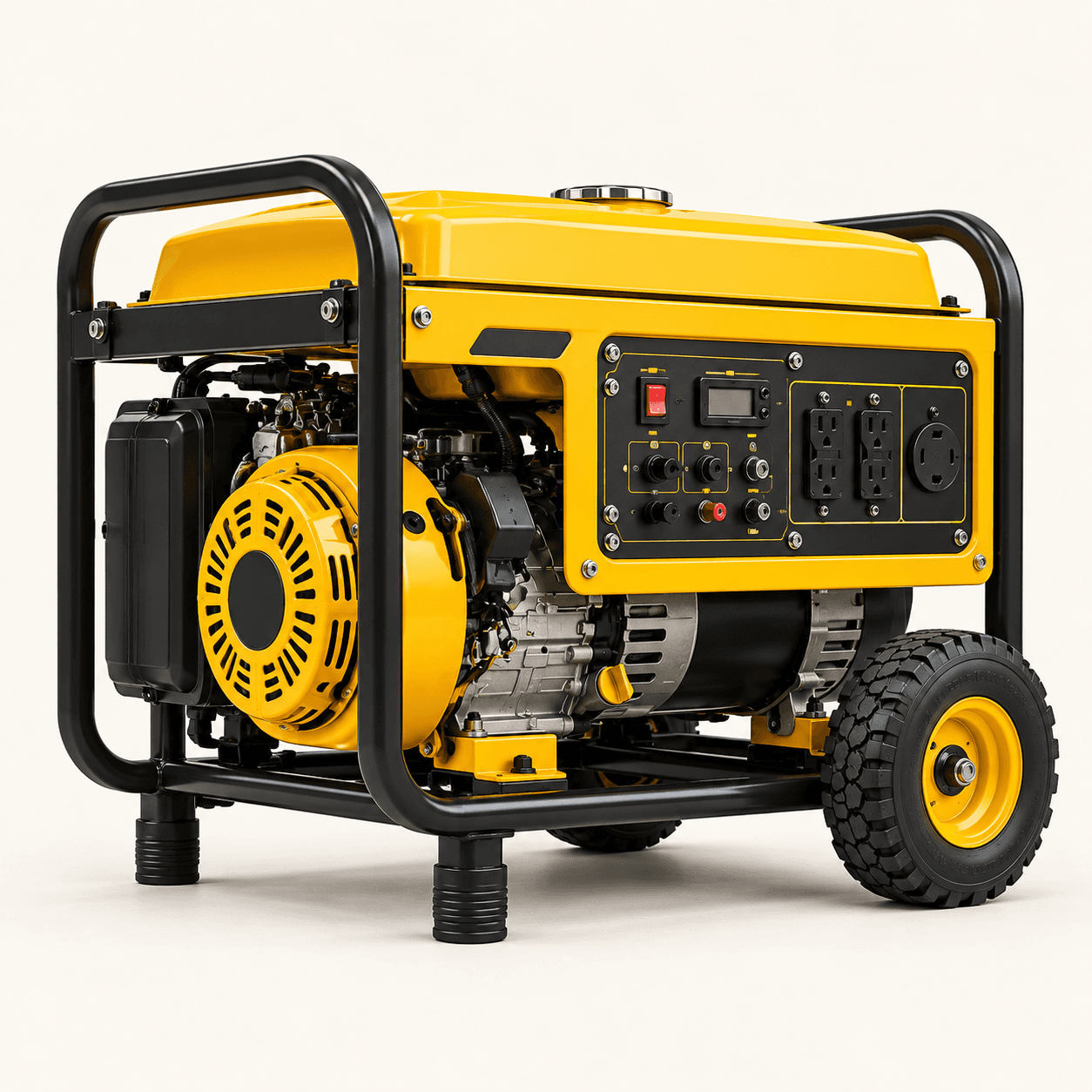
| Generator | A pour or short outage bridge | Temp power until permanent service is live |
Delivery, Idle Days and City Hours
Every rental pays a mobilization cost in time, if not as a separate fee: loading, transit, unloading and pickup. On a one-day rental those steps can consume a large share of the working window. On a four-week rental they matter less than keeping the machine fueled, secure and assigned to trained operators.
Idle days still sit on the calendar. Flower Mound limits construction to set daytime hours seven days a week. Denton shifts weekday starts between summer and the rest of the year. Rain, heat and permit holds can strand earthmoving gear even when the crew is ready. Build contingency into the term instead of assuming every rented day is a working day.
NWS Fort Worth notes Metroplex summer highs consistently in the 90s and often 100 degrees, with spring and fall the wettest seasons. Open pads in Mansfield, Allen and Frisco lose grading days after storms.
Operators, Care and Change Orders
- Name every authorized operator before a long rental starts; turnover is a common source of misuse claims.
- Set a daily inspection routine for longer stays: fluids, leaks, safety devices, hour meter.
- Decide who buys fuel and DEF, and whether the machine must return full.
- If the scope grows, call the provider before the term expires instead of keeping the machine past the off-rent time.
- For lifts and forklifts, keep training documentation available for the whole rental, not only day one.
OSHA still applies for the full duration: aerial lift daily control tests, excavation protective systems, and powered industrial truck rules do not relax because the rental is monthly.
Choosing a Term Without a Rate Card
Because this site does not publish rental rates, treat length as a planning input you bring to providers:
- Write down first need date, last need date and expected hours per working day.
- Note blackout times from city hours, inspections and concrete schedules.
- Ask for day, week and month options on the same machine and attachment list.
- Compare remobilizing for a second short rental against leaving the machine through a gap in the schedule.
- Confirm off-rent notice rules so pickup timing is under your control.
Related reading: site preparation equipment for sequencing earthwork machines, and how to choose a boom lift when aerial work spans multiple weeks of a commercial build.
Specifications are taken from manufacturers' published materials and can change. This guide is general information. Always follow the manufacturer's instructions, your rental provider's requirements and your jobsite's safety rules.